🕷️Exploring Spider Biodiversity Across Ground Covers at the UNC Charlotte Botanical Gardens
By Hope Hulse, Sarah Stellwagen & Barbara Lash
Spiders are among the most widespread and ecologically important predators in terrestrial ecosystems. As generalist hunters, they play a key role in regulating insect populations which contributes to ecological balance. Because of their vital role, UNC Charlotte undergraduate researcher, Hope Hulse, wanted to explore some environmental factors and how they can influence spider diversity and abundance. So she teamed up with Assistant Professor Sarah Stellwagen in the Biological Sciences Department to research various ground covers within the UNC Charlotte Botanical Gardens to understand whether they support significantly different levels of spider abundance and diversity—insights that could inform habitat management and conservation.
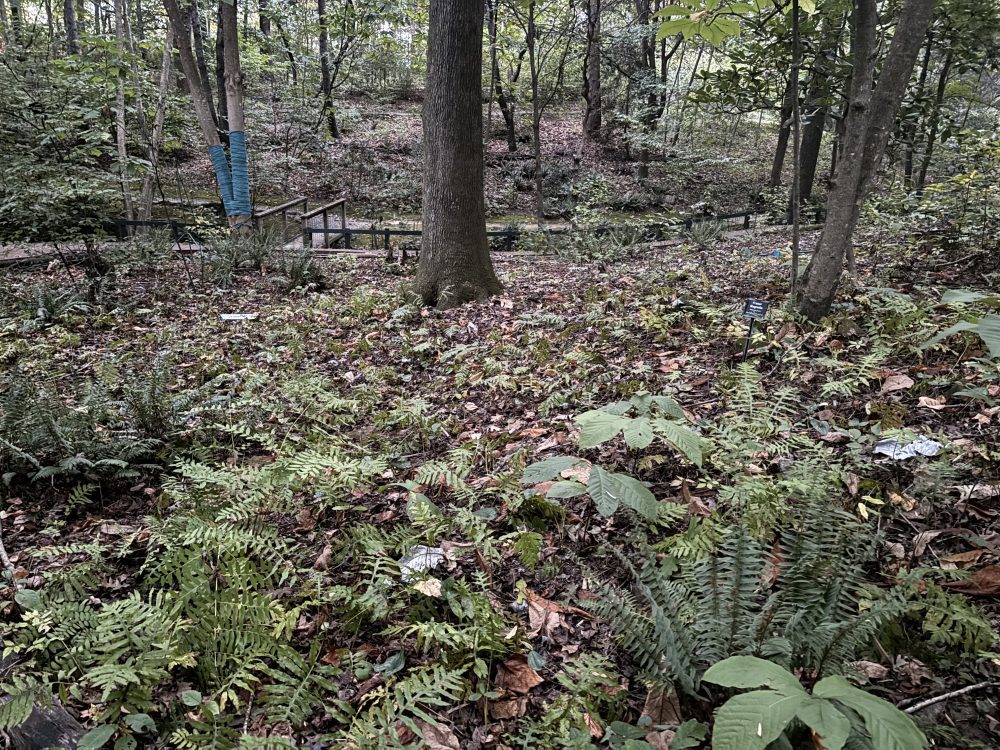
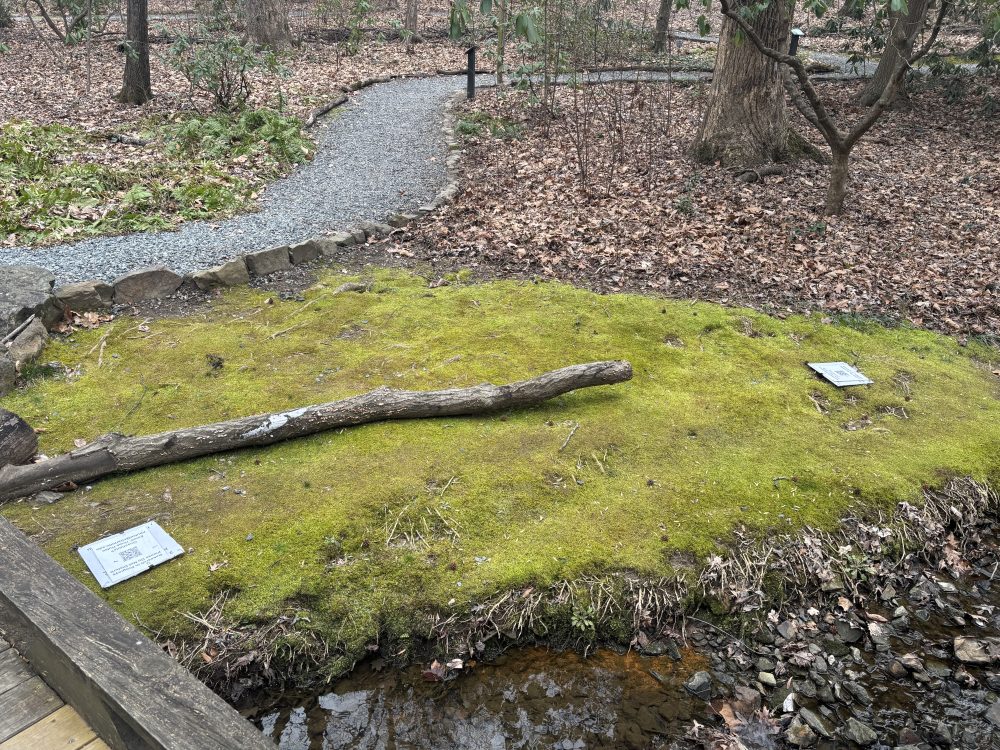
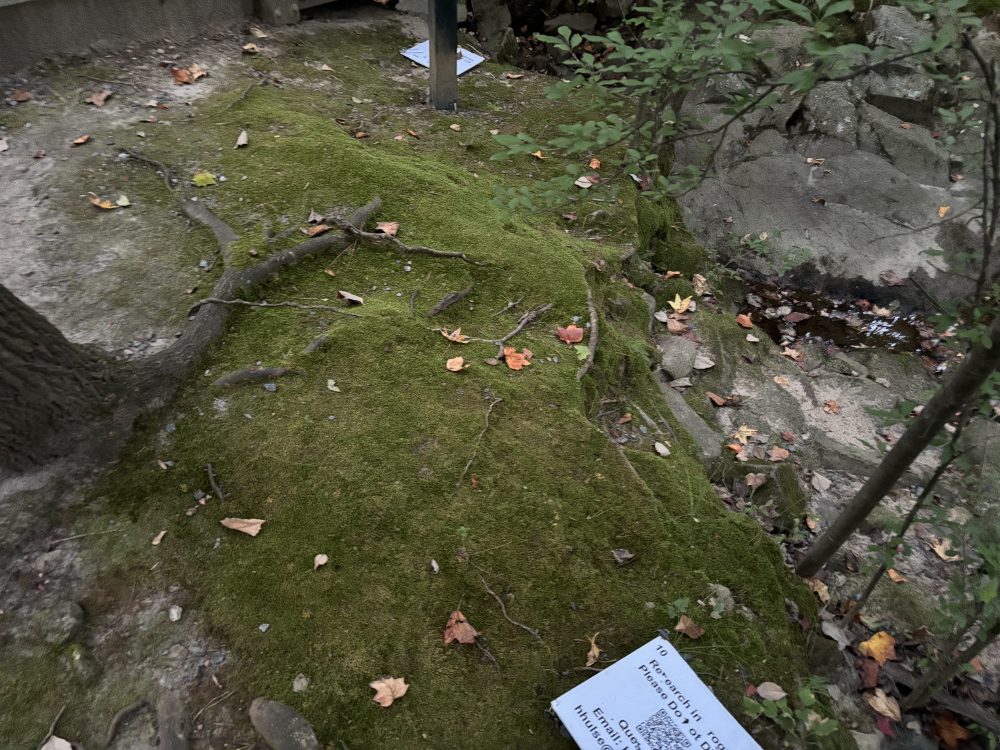
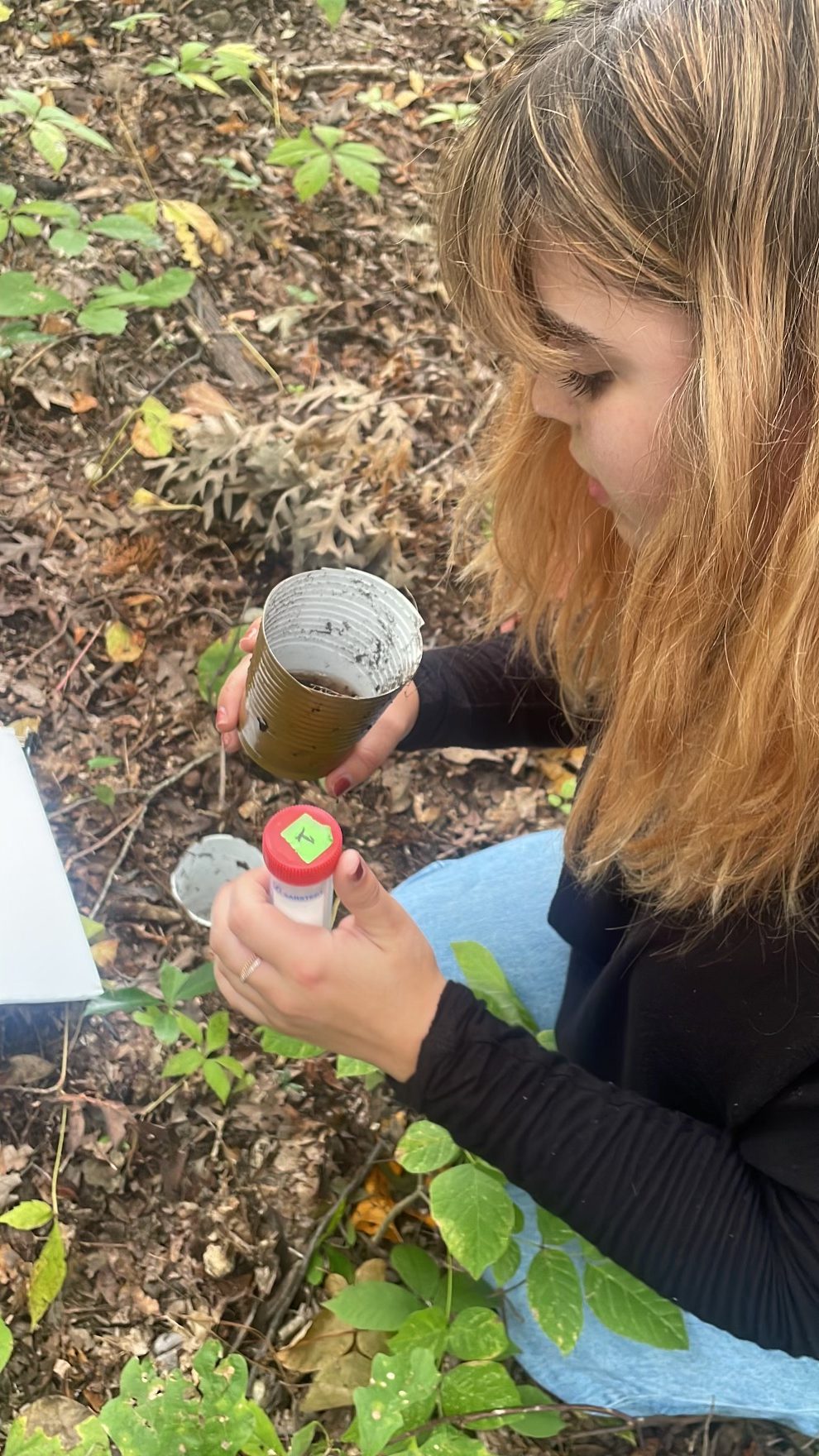
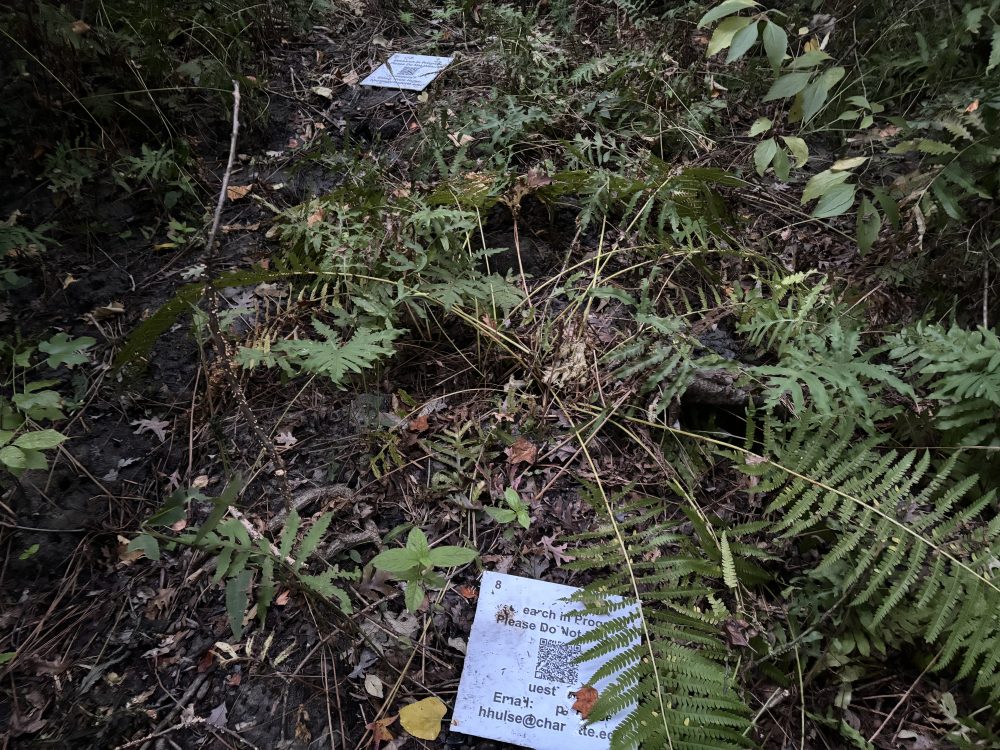
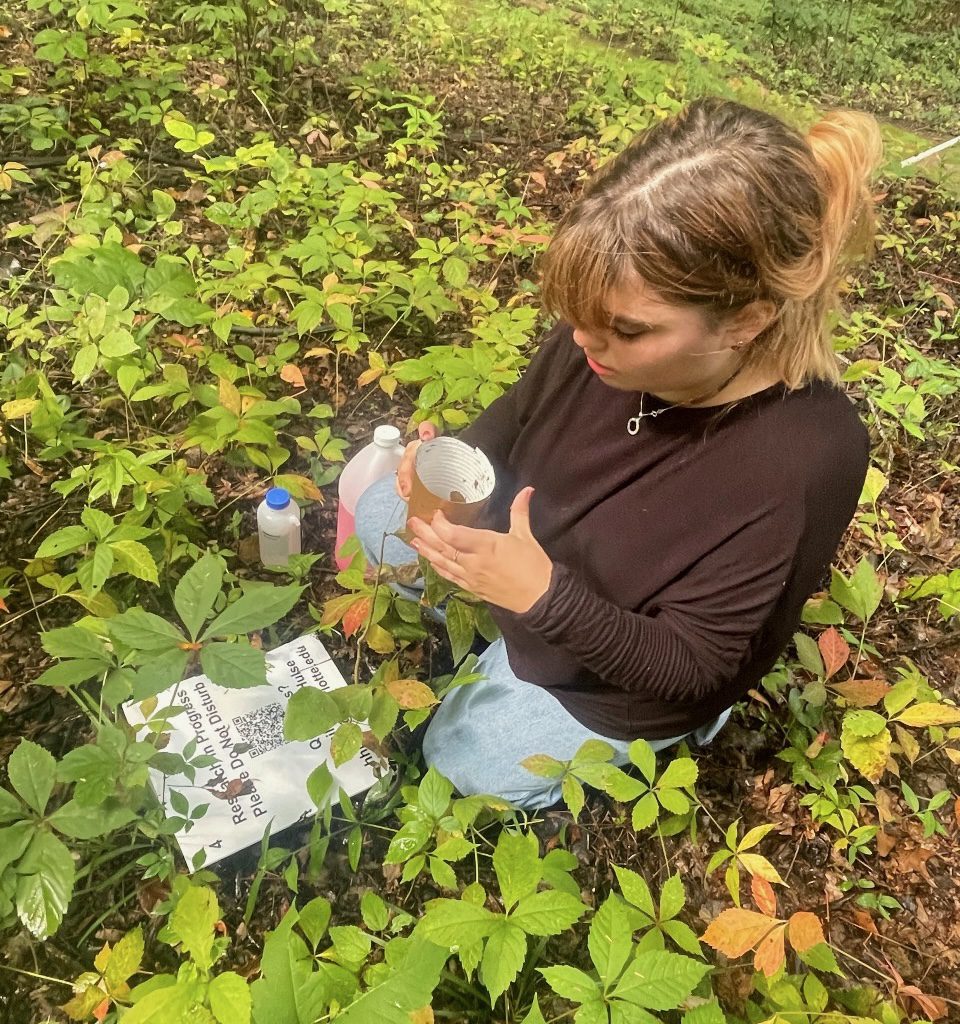
“We installed pitfall traps within three monoculture ground cover habitats: Virginia creeper (medium cover), moss (no cover), and sensitive fern (high cover). Every week for a year, we checked the trappings and identified any spider specimens that were collected,” shared Hulse. “Environmental factors such as type and structure of ground cover can influence spider diversity and abundance. Understanding how these ground covers within the UNC Charlotte Gardens affect the populations and biodiversity will allow for better implementation of habitat management.”
The year-long research project started September 8, 2024 and concluded October 11, 2025 in the UNC Charlotte Botanical Gardens, with the instillation of pitfall traps across three monoculture ground covers:
- High cover: Sensitive fern (Onoclea sensibilis)
- Medium cover: Virginia creeper (Parthenocissus quinquefolia)
- No cover: Moss-dominated areas
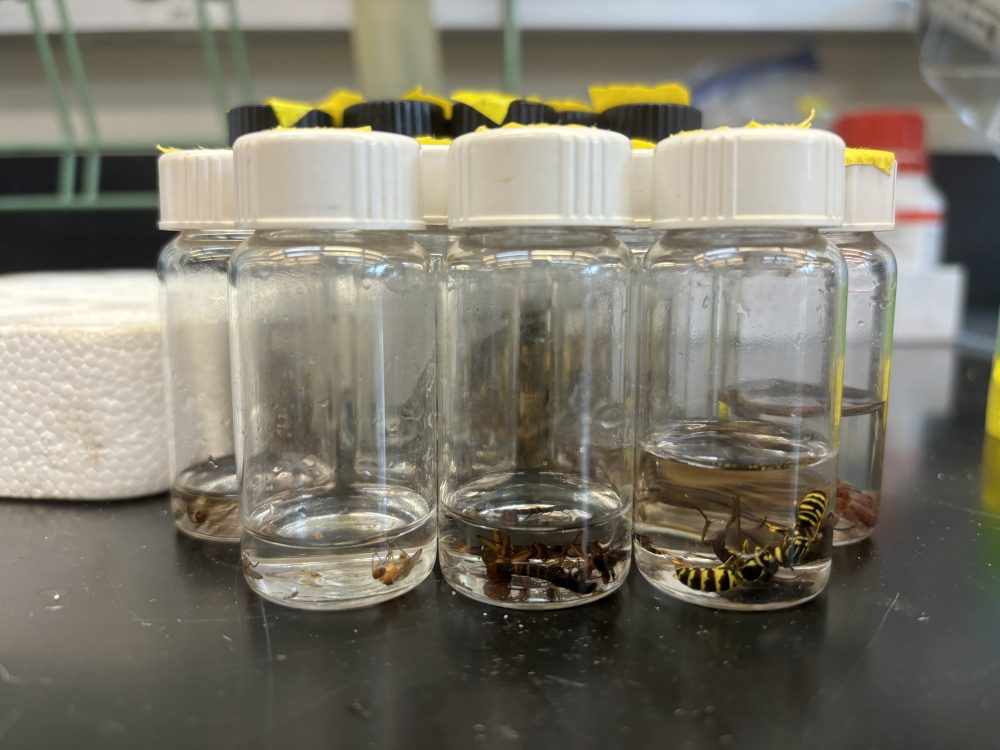
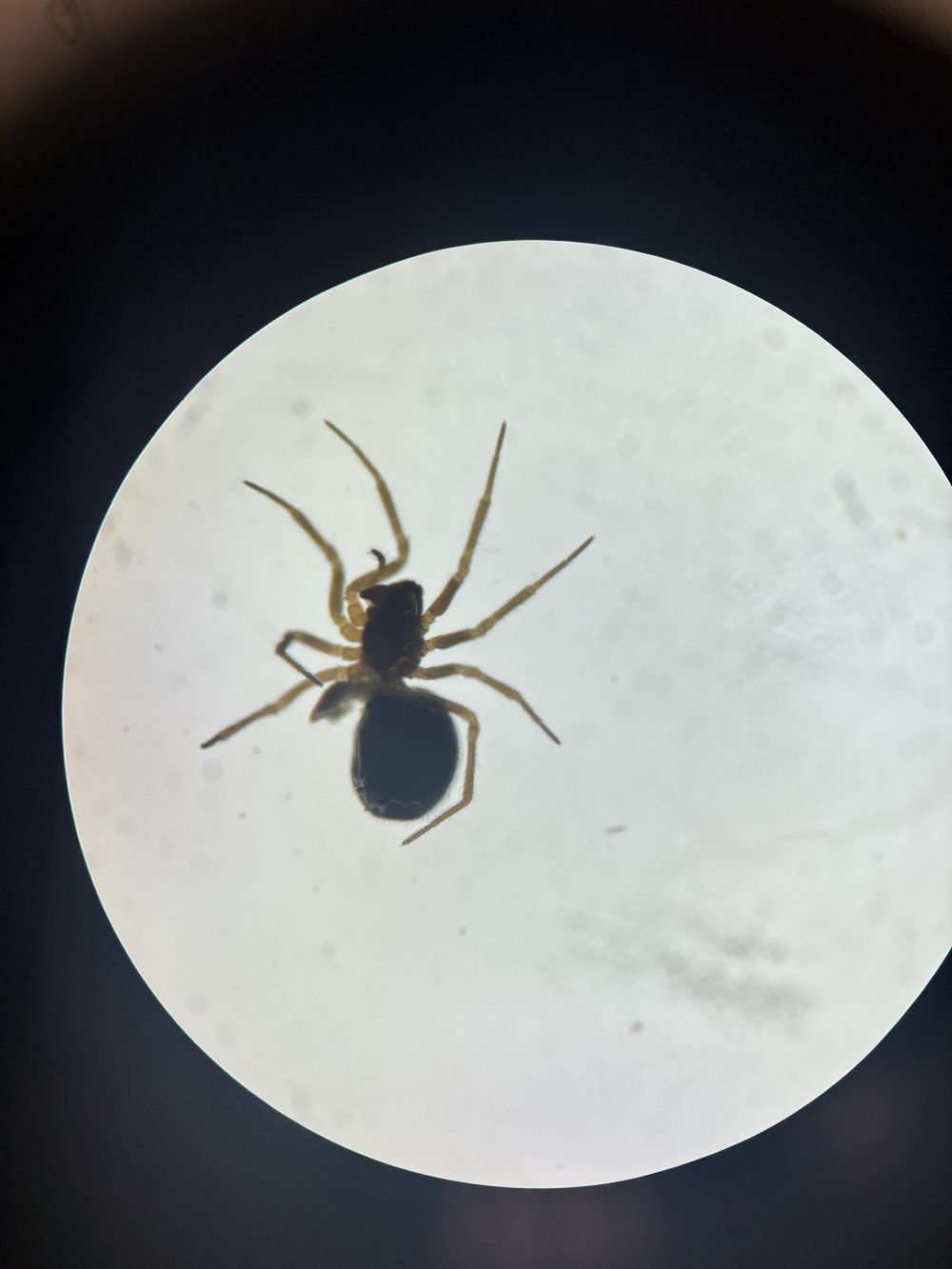
Each habitat featured two sites, with two traps per site equaling twelve pitfalls total, and each filled with ~50 mL of propylene glycol to safely preserve captured specimens. Samples were collected on a weekly to biweekly schedule, cleaned, identified under magnification, and stored in 70% ethanol in a lab refrigerator. Data including species identification, sex, age, location, and collection date were recorded for analysis.
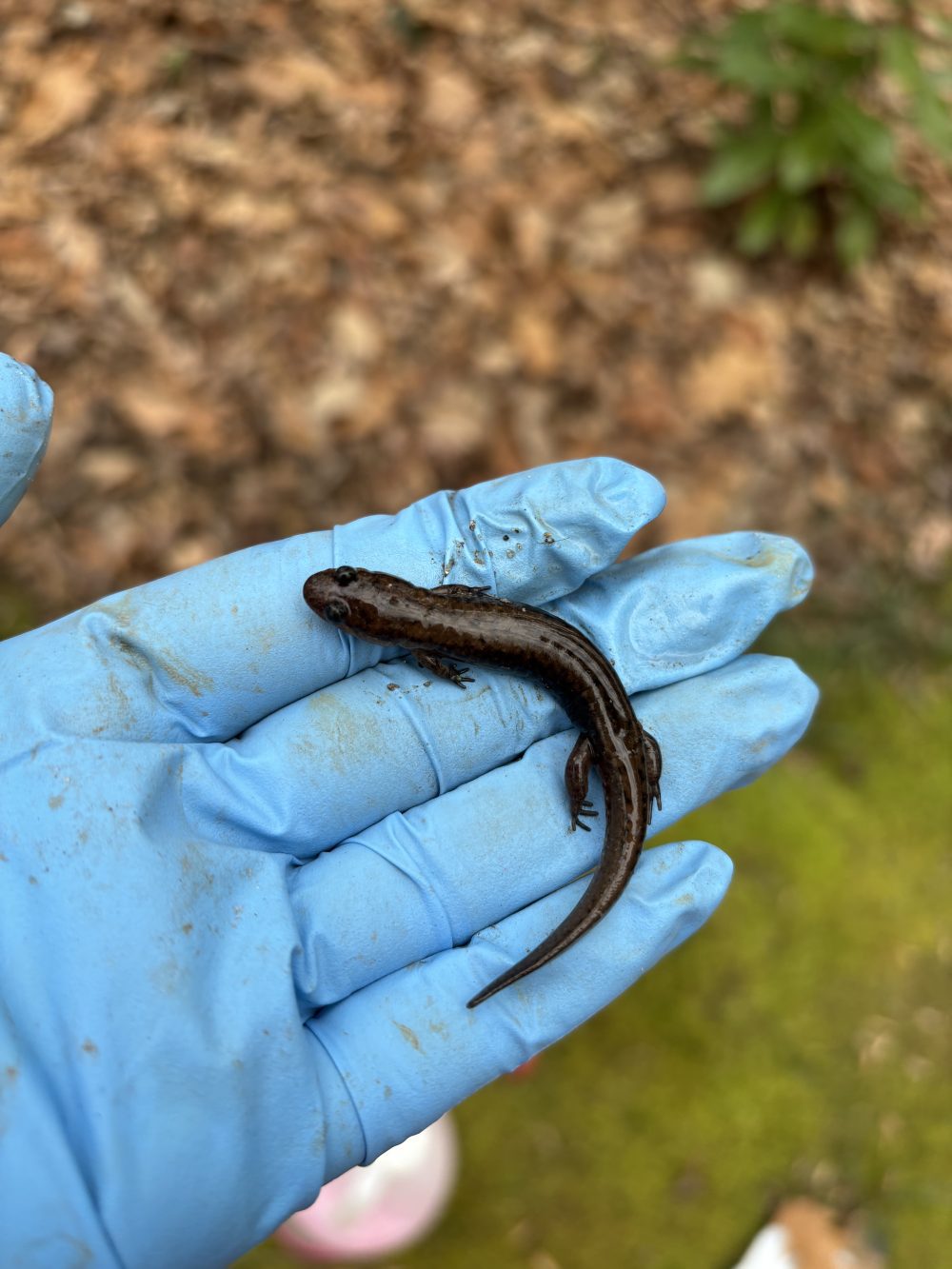
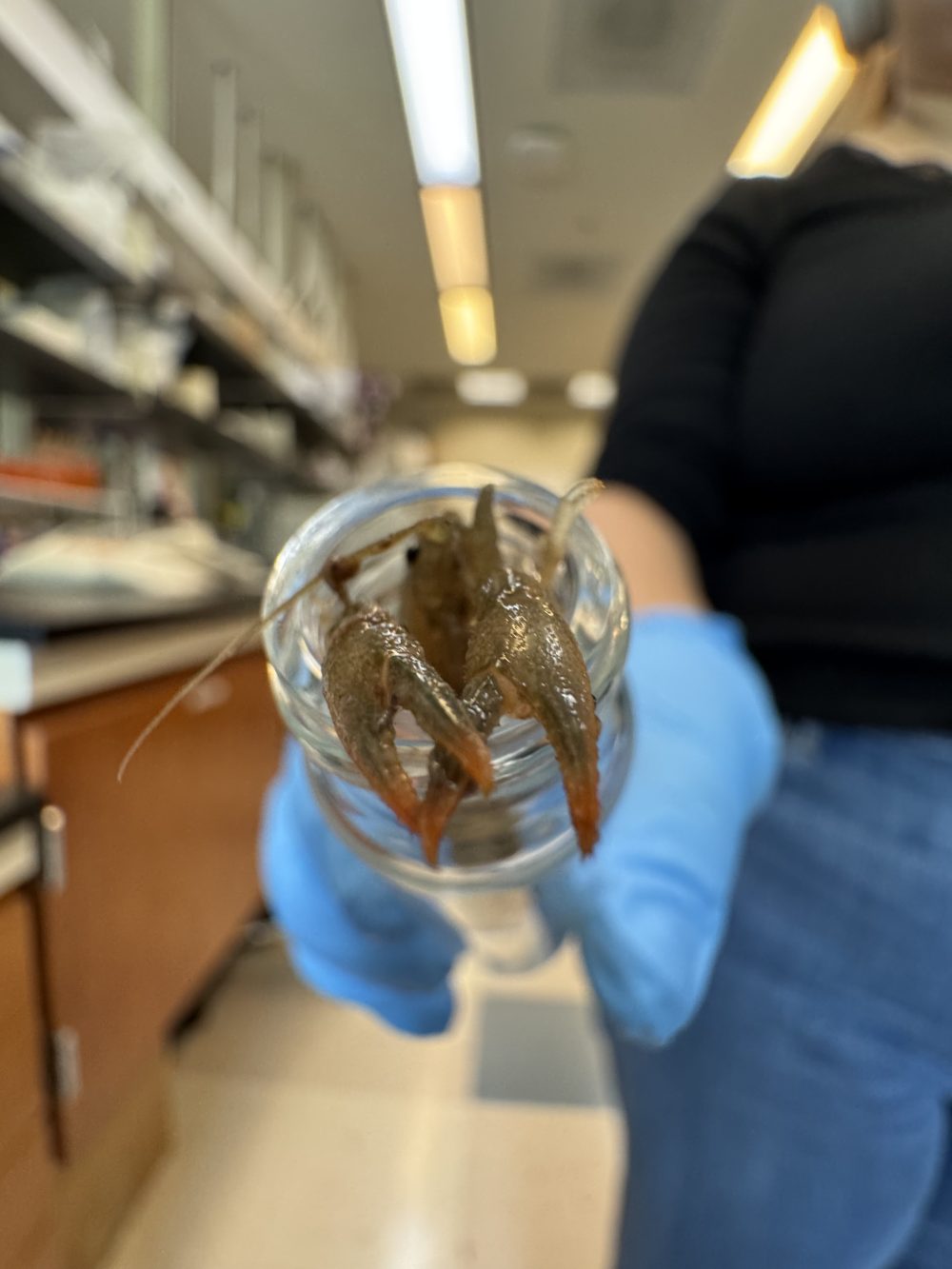
Over the course of the study, Hulse processed more than 1,500 arthropod specimens, along with a few non-target captures—approximately five crustaceans and one amphibian (a salamander).
“While epigeic spider species were lower in number than I expected, other arthropods and even a salamander exhibited great diversity within the gardens,” shared Hulse.
Initial Findings & Challenges
Preliminary findings suggested that heavier ground covers may support higher spider diversity, likely due to greater shelter availability, microclimate stability, and increased prey abundance. Early insect data already support the link between habitat complexity and biodiversity.
“Hope has worked really hard on this project,” shared UNC Charlotte Assistant Professor Sarah Stellwagen. “It’s not easy or convenient having to fill 12 traps and then collect captured specimens – that’s two trips – each week for a whole year, rain or shine, heat or chill.”
Dr. Stellwagen is also Hulse’s research advisor.
“She’s done a great job and it’s quite interesting to see what types of spiders and other arthropods are supported in the gardens and what type of cover hosts the most diversity,” shared Dr. Stellwagen.
The project was slow to capture data initially due to cooler weather. But as the year progressed and the research matured, results became richer and more representative. Interestingly, several ground-dwelling spider families (Liocranidae and Filistatidae) appeared more frequently than expected, aligning with similar findings from prior pitfall studies such as Microhabitat Differences: Spiders in a Rural Yard by Richard Bradley.
While ground-based sampling revealed moderate spider numbers, the researchers note that arboreal spider populations—species living above the forest floor—may represent an even greater share of biodiversity within the gardens.
Final Analysis & Implications for Habitat Management
Once data analysis is completed and polished in the Spring of 2026, results will be shared with the UNC Charlotte Botanical Gardens’ directors. The findings will inform future decisions about vegetation management and habitat design—supporting the Gardens’ mission to foster ecological diversity and educational research opportunities.
“It would be interesting to see what the arboreal spider populations look like, and it’s exciting to have been given an opportunity to do such intriguing research on campus grounds,” shared Hulse. “My hopes are that my own research can inspire other students to partake as well and to showcase one of the many opportunities this school has to offer for those seeking biological science studies.”
Hulse’s research was funded by a seed grant provided to the Botanical Gardens by the UNC Charlotte Division of Research.
“It’s exciting to see students utilizing the Gardens for meaningful research,” shared Botanical Gardens Director, Dr. Jeffrey Gillman. “We’ve seen a real increase in our interactions with students in the sciences and we’re anticipating more engagement with various classes and research programs over the next few years.”
As generalist predators, spiders serve as valuable bioindicators for broader ecosystem health. Understanding their distribution helps scientists and land managers assess the success of conservation efforts and biodiversity initiatives.
Recognition and Impact
This project has already attracted significant academic attention, being presented at:
- UNC Charlotte Biological Sciences Symposium (2024)
- UNC Charlotte Undergraduate Research Conference (2025)
- American Arachnological Society Annual Meeting (2025) in Golden, Colorado
Through this ongoing work, UNC Charlotte continues to showcase how student-driven field research contributes to our understanding of complex ecosystems—and how even the smallest creatures play an outsized role in maintaining balance within our shared environments.
Key Stats at a Glance
- Study Duration: September 2024 – October 2025
- Sites: 3 ground covers × 2 sites × 2 traps = 12 total
- Specimens collected: >1,500 arthropods, 5 crustaceans, 1 amphibian
- First spider identified: Lyssomanes viridis (Salticidae), Dec. 6, 2024
- Data delivery: Final dataset due December 2025
- Goal: Assess how ground cover type influences spider biodiversity in the Botanical Gardens